In the prior posting, I discussed a case dealing with a differing site condition. In that case, the owner did not have an affirmative duty to make a representation and there was no inaccurate representation made by the owner that misled the contractor.
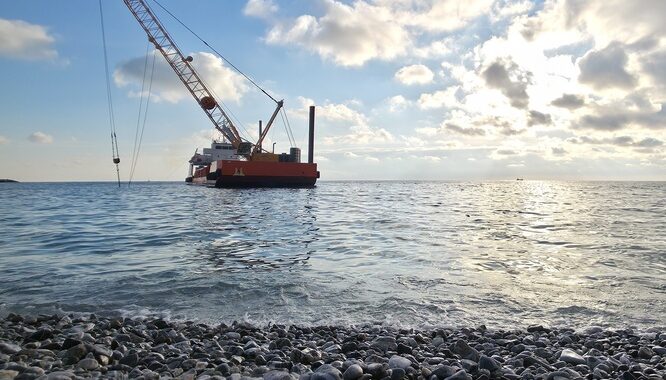
Well, what about when there is an inaccurate misrepresentation regarding the site? This was the circumstance in an older Florida case where a dredging contractor had a successful differing site conditions claim. See Jacksonville Port Authority v. Parkhill-Goodloe, Co., Inc., 362 So.2d 1009 (Fla. 1st DCA 1978).
The government provided inaccurate information as to the lack of rock that would be encountered during the dredging that was relied on by the dredging contractor. But the government had “superior knowledge” that there was rock in an adjacent location based on a prior claim from a contractor, yet the government did not disclose the possibility that rock could be encountered.
Hence, consider this language from this decision where the contract succeeded on its differing site conditions claim:
In furnishing bidders with information as to the nature of the materials likely to be encountered in dredging to the required depth, [the government] had a duty to furnish information which would not mislead prospective bidders and to not withhold from prospective bidders information that another dredging contractor, in an adjacent area, had encountered extensive rock in dredging to the depth required by [the contractor] here. We find competent substantial evidence to support the final judgment.
***
[The final judgment:] Court finds that the [contractor] relied on the boring reports furnished by the [government] and had a right to do so and its own ‘on-site’ probings also did not reflect any significant rock to be encountered in the dredging. Further, the [government] was on notice of rock in the area because of the prior claim from a prior contractor dredging in an adjacent area and the [government] did not disclose the possibility of rock to the bidders, including [the contractor], on the contract. The Court finds that [government] had a duty to make known to the bidders on this project its full knowledge of the possibility of rock in this area. The [contractor] incurred damages to its equipment and incurred damages for extended time to complete the dredging work for which the [government] is responsible.
Jacksonville Port Authority, supra, at 1013 (top section) and 1009 (bottom section).
Differing site conditions claims are challenging claims. Make sure you know what you need to do to maximize your success in persuading the owner of the merits of the differing site conditions claim and, if denied, prevailing on the claim.
Please contact David Adelstein at dadelstein@gmail.com or (954) 361-4720 if you have questions or would like more information regarding this article. You can follow David Adelstein on Twitter @DavidAdelstein1.