“The purpose of a performance bond is to guarantee the completion of the contract upon default by the contract.” Arch Insurance Co. v. A3 Development, LLC, 2026 WL 632330 (S.D. Fla. 2026) (internal citations and quotations omitted).
If you are an obligee (beneficiary of a performance bond) looking to trigger the surety’s obligations COMPLETION OBLIGATIONS under the bond, make sure you properly comply with the terms of the bond. Failure to do so will result in a breach of the bond meaning you are discharging the surety’s obligations. This is the exact thing you DO NOT want to do.
A recent case supports the proposition that supplementing and performing remedial work to the bond-principal’s work, and using the bond-principal’s contract money to do so, results in a a breach of the bond. This is important, need-to-know information, because if you do this and then seek recourse from the surety, you could be sh*t out of luck!
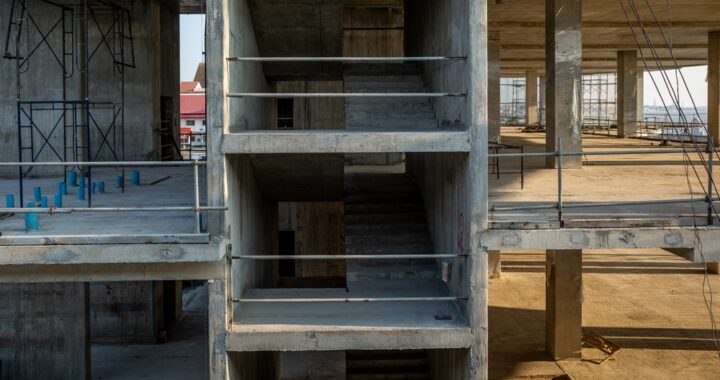
Without going into all the facts in Arch Insurance Co., an obligee of a performance bond (AIA performance bond) undertook efforts and costs to remediate a subcontractor’s defective concrete work. Such costs depleted the subcontract balance as the subcontractor was backcharged and not paid to the subcontractor. The question was whether this resulted in a breach of the bond by the obligee. Yes, it did.
“Generally, an obligee’s action that deprives a surety of its ability to protect itself pursuant to performance options granted under a performance bond constitutes a material breach[.]”
Florida courts have consistently found that an obligee’s unilateral decision to hire an alternate contractor to complete a subcontract without first giving the surety proper notice of a default and an opportunity to exercise its completion options deprives a surety of its ability to protect itself and, therefore, such conduct constates a material breach of the bond.”
Arch Insurance Co., supra (internal quotations and citations omitted).
Here, the obligee breached the bond by performing remedial work before notification to the surety:
[Obligees] argue that the general prohibition against an obligee unilaterally hiring a contractor to perform remedial subcontract work does not apply to the Bonds here because there is no provision in the Bonds or Subcontracts that require [Obligees] to first give [Surety] notice or an opportunity to complete the Subcontracts before using an alternative contractor to supplement or remedy the subcontracted work. Notwithstanding [Obligee’s] contention to the contrary, the plain language of the Bonds precluded [Obligees] from remedying [subcontractor’s] materially inadequate or incomplete work through any means other than those expressly provided under the Bonds.
The procedures outlined in § 3 and § 5 were the Bonds’ exclusive remedial tools in the event [Obligees] determined that [subcontractor] was in default and unable to complete the Subcontracts. No provision in the Bonds or the Subcontracts suggests that, in lieu of the notice and default procedures in § 3 and § 5, [Obligees] could instead select an alternative or supplemental remedy not expressly provided for under the Bonds. Obligees therefore lacked any contractual basis to unilaterally hire a replacement or supplementary contractor, even if they reasonably believed such a course of action was a more efficient and cost-effective means of completing the Subcontracts. Consequently, because the Bonds governed how the parties were permitted to handle a default, once [Obligees] considered declaring [subcontractor] in default (i.e., when [Obligees] determined they would likely need a replacement or supplemental contractor to complete Subcontracts), § 3.1 required [Obligees] to promptly provide notice to [Surety] of the potential default. And if [Obligees] ultimately determined that [subcontractor] had defaulted on the Subcontracts, § 3.2 required them to declare a default to ensure that [Surety] was afforded its right to investigate the default and elect one of its completion options under § 5.
Arch Insurance Co., supra (internal quotations and citations omitted).
Please make sure to work with counsel if seeking to exercise the completion obligations of a performance bond surety.
Please contact David Adelstein at dadelstein@gmail.com or (954) 361-4720 if you have questions or would like more information regarding this article. You can follow David Adelstein on Twitter @DavidAdelstein1.
 If you are bargaining for a contracting party to obtain a

